

Understanding the Connection Between Trauma, Narcissistic Abuse, and Chronic Pain.

As you may know, I work in the NHS in a Chronic Pain Management Service two days a week. Recently we had a study/away day and I was asked to do a presentation, I decided to do this on family and the importance of healthy relationships in chronic pain. When working with chronic pain we use the biopsychosocial model of pain, so the social aspect, community and connection is important to look at when looking at a person as a whole.
It lead to me think about how unhealthy relationships, whether past or present can impact chronic pain experience and even be a contributing factor to developing chronic pain conditions.
Trauma, particularly from relationship abuse, can leave deep emotional scars. When this abuse stems from a narcissistic relationship, the effects can be even more profound. One of the often overlooked consequences of such trauma is its impact on physical health, particularly the onset of chronic pain conditions like fibromyalgia. This post explores the intricate links between trauma from narcissistic abuse and chronic pain, shedding light on the pathways through which emotional suffering can manifest physically.
Narcissistic abuse is a distinct form of psychological trauma inflicted by individuals with Narcissistic Personality Disorder (NPD). Narcissists often use manipulation, gaslighting, and emotional exploitation to control and dominate their partners. Victims of narcissistic abuse may experience prolonged periods of emotional stress, leading to severe psychological and physical consequences.
Key characteristics of narcissistic abuse include:
Gaslighting: Making the victim doubt their reality.
Manipulation: Twisting situations to maintain control.
Isolation: Cutting the victim off from their support systems.
Emotional Blackmail: Using fear, guilt, and obligation to manipulate the victim's actions.
The psychological effects of narcissistic abuse are profound. Victims often suffer from anxiety, depression, and post-traumatic stress disorder (PTSD). The constant stress and emotional turmoil disrupt the victim's sense of self, leading to feelings of worthlessness and helplessness. Over time, this chronic stress response can have significant repercussions on physical health.
The Link Between Trauma and Chronic Pain
Chronic pain conditions like fibromyalgia are often linked to trauma and prolonged emotional stress. Fibromyalgia is characterised by widespread musculoskeletal pain, fatigue, and tenderness in localized areas. While the exact cause of fibromyalgia is not fully understood, research suggests that psychological stress and trauma play a crucial role in its development.
Here’s how trauma, especially from narcissistic abuse, can contribute to chronic pain conditions:
Stress Response Activation: Chronic emotional stress activates the body's stress response system, leading to the release of stress hormones like cortisol. Over time, this can disrupt the body's ability to regulate inflammation and pain.
Central Sensitisation: Trauma can lead to a heightened sensitivity of the central nervous system. This means that individuals may experience increased pain sensitivity, a hallmark of fibromyalgia.
Psychological Factors: Anxiety, depression, and PTSD, common in victims of narcissistic abuse, can exacerbate pain perception. Negative emotional states can amplify the sensation of pain, creating a vicious cycle.
Immune System Dysfunction: Chronic stress can impair immune function, leading to increased susceptibility to infections and prolonged inflammation, both of which can contribute to chronic pain.
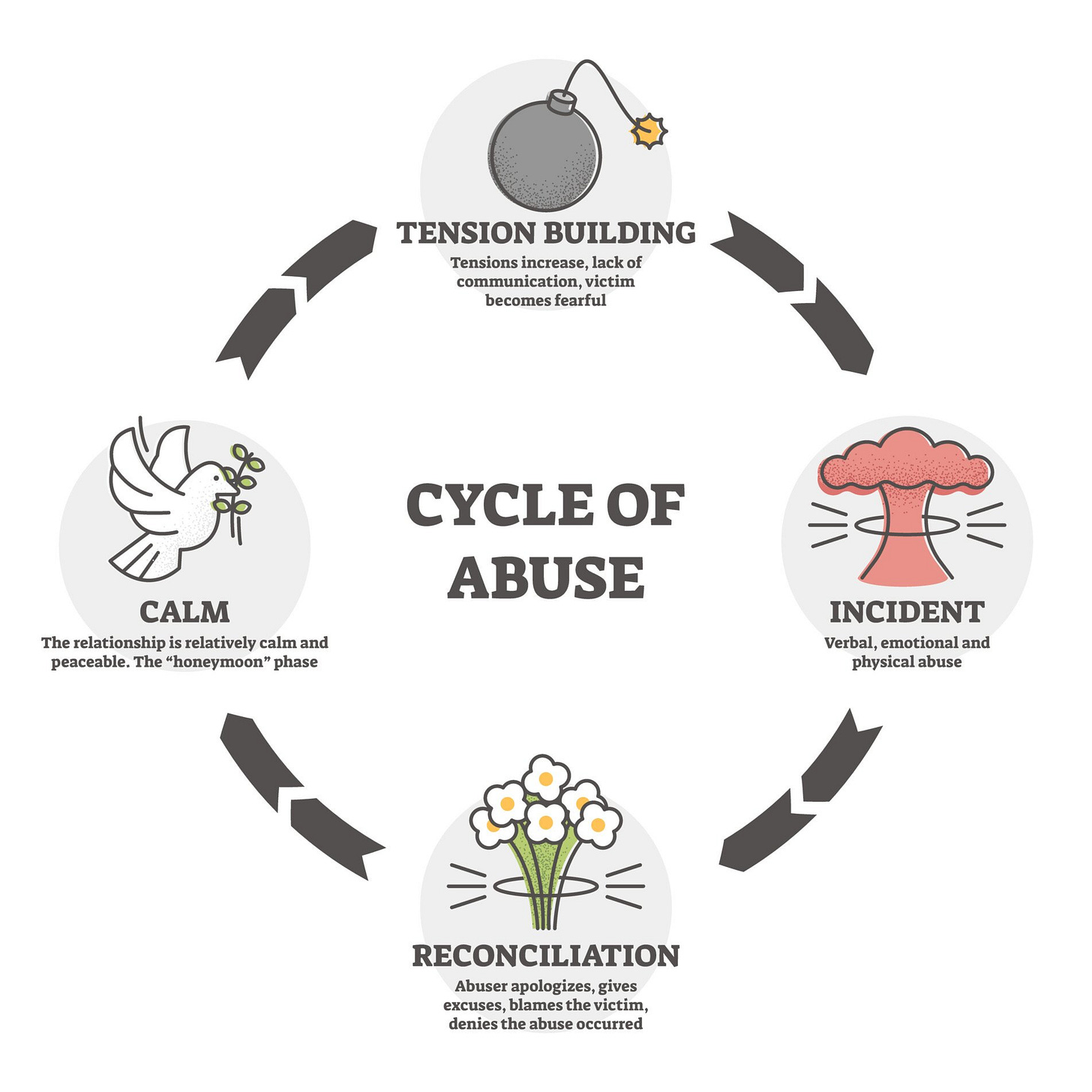
Psychological therapy can be hugely beneficial in helping people address their trauma from abuse from relationships. I offer CBT and EMDR to support people psychologically.
The Role of EMDR in Healing Trauma
Eye Movement Desensitization and Reprocessing (EMDR) is a powerful psychotherapy technique used to alleviate the distress associated with traumatic memories. EMDR has been shown to be highly effective in treating PTSD and other trauma-related conditions. For victims of narcissistic abuse, EMDR can play a crucial role in the healing process.
Here’s how EMDR works and its benefits:
Processing Traumatic Memories: EMDR helps individuals process and integrate traumatic memories, reducing their emotional impact and making them less distressing.
Reducing Symptoms of PTSD: EMDR is effective in alleviating symptoms of PTSD, such as flashbacks, nightmares, and severe anxiety.
Promoting Emotional Healing: By addressing the root causes of trauma, EMDR helps victims regain emotional stability and improve their overall mental health.
Complementing Pain Management: For those with chronic pain conditions like fibromyalgia, EMDR can reduce stress and emotional distress, which in turn can help manage pain symptoms more effectively.
The Role of Cognitive Behavioral Therapy (CBT)
Cognitive Behavioral Therapy (CBT) is another highly effective treatment for both the psychological and physical symptoms associated with trauma and chronic pain conditions. CBT helps individuals understand and change the thought patterns that contribute to their emotional and physical suffering. Here’s how CBT can be beneficial:
Breaking the Pain-Stress Cycle: CBT teaches strategies to manage stress and reduce its impact on pain perception.
Rebuilding Self-Esteem: Victims of narcissistic abuse often struggle with low self-esteem. CBT can help rebuild a positive self-image and promote self-compassion.
Managing PTSD Symptoms: CBT is effective in treating PTSD by addressing the traumatic memories and reducing their emotional impact.
Improving Coping Strategies: CBT equips individuals with healthy coping mechanisms to deal with both emotional distress and chronic pain.
The connection between trauma, narcissistic abuse, and chronic pain conditions like fibromyalgia underscores the profound impact of emotional suffering on physical health. Understanding this link is crucial for providing comprehensive care to victims of narcissistic abuse. Through therapies like EMDR and CBT, individuals can learn to manage their pain, heal from their trauma, and regain control over their lives. If you or someone you know is struggling with the effects of narcissistic abuse and chronic pain, seeking professional help can be a vital step towards recovery.
Remember, healing is a journey, and it’s never too late to take the first step.
You can have a free 15 minute consultation with me or book an assessment to see if I can help you:
www.sheenarydingstherapy.co.uk
Good to see this being spoken about . I sure understand Chronic pain . Thankfully I do not suffer these days . Keep up the good work.
Excellent article Sheena.
The link between physical and mental pain cannot be ignored can it.
CBT and EMDR are powerful therapies.
Your work is invaluable.